
Waking up to a hazy skyline has unfortunately become a routine for Delhiites again. With the Air Quality Index (AQI) spiraling into the ‘Very Poor’ category—recording a concerning 354—the Commission for Air Quality Management (CAQM) has stepped in with immediate action. As of January 16, 2026, GRAP Stage III (Graded Response Action Plan) has been invoked across Delhi-NCR to prevent the situation from worsening, bringing with it a strict set of restrictions that affect commuters, parents, and builders alike.
Strict Car Bans: Is Your Vehicle Allowed on the Road?
The most significant impact of GRAP Stage III falls on vehicle owners. In a bid to curb vehicular emissions, authorities have clamped down on older models. If you are planning to take your car out today, you need to check your Registration Certificate (RC) immediately. The following restrictions are now effectively in place:
- Private Cars: A strict ban has been imposed on BS-III petrol four-wheelers and BS-IV diesel four-wheelers. Plying these vehicles on Delhi roads can attract hefty fines.
- Commercial Vehicles: Non-essential diesel-powered medium goods vehicles are restricted from running within the capital.
- Inter-state Travel: If you are commuting via bus from NCR cities into Delhi, note that inter-state diesel buses that do not meet CNG, Electric, or BS-VI standards are now prohibited.
- Light Commercial Vehicles (LCVs): BS-IV diesel LCVs registered outside Delhi are barred from entry, with exceptions made only for those carrying essential commodities or providing essential services.
Construction Halted: What’s Paused and What Continues
To control dust pollution, the CAQM has hit the pause button on construction activities. A blanket ban has been placed on all private construction and demolition works across the National Capital Region. This isn’t just a suggestion; it is a strict order.
Specific activities like earthwork for excavation, piling, trenching, and road construction have been completely suspended. Furthermore, industrial operations such as stone crushers, mining activities, and brick kilns have been ordered to shut down immediately. Transportation of construction materials on unpaved roads is also banned to prevent dust from rising.
However, the city won’t come to a complete standstill. Exemptions have been granted for essential public projects. Work on the metro, railways, airports, highways, defence projects, healthcare facilities, and sanitation projects can continue, provided they strictly adhere to dust control norms.
Schools Shift Mode and Citizen Advisory
The pollution spike is also impacting the daily lives of children. Under the new Stage III guidelines, schools for children up to Class 5 have shifted to a hybrid model, offering a mix of online and offline learning to minimize exposure to toxic air. Parents are advised to check with their respective schools for specific schedules.
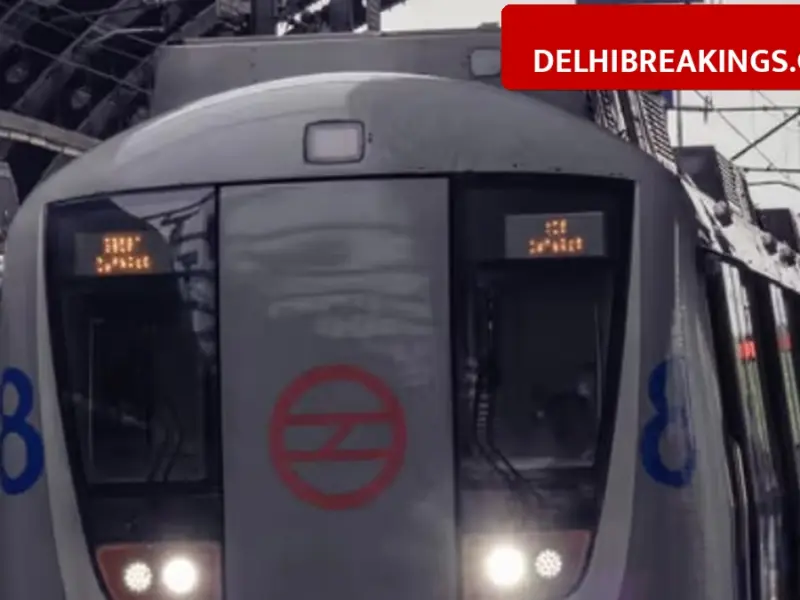
Beyond regulations, the administration is asking for public cooperation. Citizens are encouraged to ditch private vehicles for short distances and opt for walking or cycling. Using public transport like the Metro or CNG buses is highly recommended to reduce the collective carbon footprint of the city.
What’s Next? The CAQM is monitoring the air quality in real-time. If the AQI deteriorates further into the ‘Severe’ category, even stricter Stage IV measures could be implemented. For now, adhering to these rules is crucial to help Delhi breathe a little easier.
Last Updated: 17 January 2026