
If you are tired of waking up to a grey sky and checking the AQI app with dread, the Delhi government finally has a concrete, long-term answer. Chief Minister Rekha Gupta has officially approved a comprehensive 4-year blueprint aimed at tackling the capital’s air quality crisis head-on. Approved on January 16, 2026, this isn’t just another winter quick-fix; it is a structural overhaul targeting dust, traffic, and waste with strict timelines stretching all the way to 2029.
Dust Control and a Rs 10,000 Crore Infrastructure Push
One of the biggest culprits of Delhi’s pollution is road dust, and the government is throwing significant resources to suppress it. The new roadmap includes the installation of advanced misting systems at 62 identified pollution hotspots and major traffic corridors to settle PM2.5 particles. But it’s not just about spraying water; it’s about how the roads are managed.
The administration is deploying 76 mechanical road sweeping machines immediately, with 70 more approved specifically for narrower roads. In a massive infrastructure upgrade, agencies will redevelop 3,300 km of roads—covering PWD, MCD, and unauthorized colonies—within a year. This redevelopment, costing roughly Rs 6,000 crore, involves wall-to-wall paving and greening to ensure dust doesn’t have a chance to rise.
A Public Transport Revolution: 14,000 Buses & Metro Expansion
To get people out of their cars, you need a robust alternative. The blueprint outlines an aggressive expansion of Delhi’s public transport fleet. The goal is to induct a total of 14,000 buses in a phased manner:
- December 2026: 6,000 new buses to hit the roads.
- December 2027: Fleet increases by another 1,500.
- March 2029: The full fleet becomes operational.
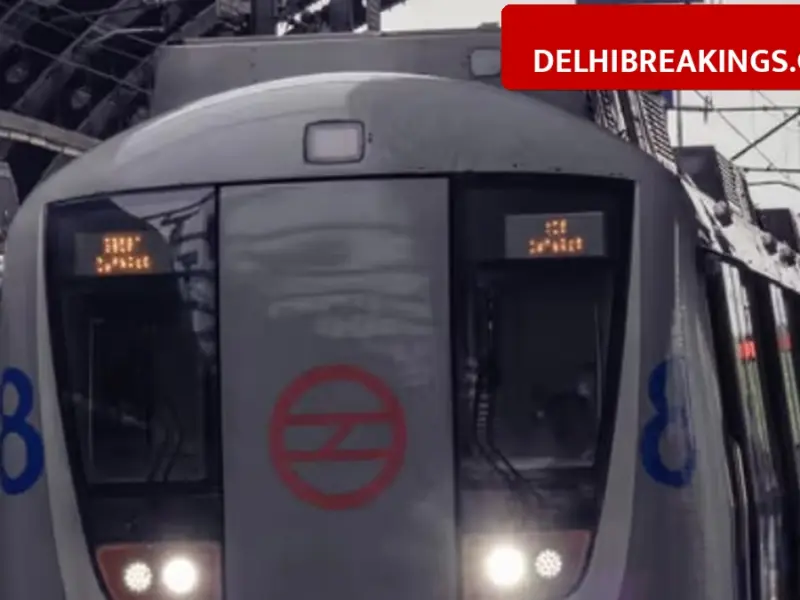
This includes specialized 7-meter buses for last-mile connectivity and electric metro feeders. Furthermore, the Delhi Metro network is set to expand to 500 km, with pilot projects for e-autos and bike taxis starting at 10 metro stations as early as this month.
Clearing the Mountains of Waste and Boosting EVs
Perhaps the most visually impactful part of the plan is the commitment to flattening Delhi’s infamous garbage mountains. The roadmap sets strict deadlines to clear legacy landfills: Okhla by July 2026, Bhalswa by October 2026, and Ghazipur by December 2027. To prevent new mountains from forming, the state plans to process 100% of fresh municipal waste via waste-to-energy plants by the 2026-27 fiscal year.
Simultaneously, under EV Policy 2.0, the government is incentivizing the switch to green mobility. With subsidies planned for 58 lakh two-wheelers and a massive expansion of charging points from 9,000 to 36,000, the infrastructure anxiety regarding electric vehicles is being addressed directly.
What’s Next?
While this ambitious plan offers a light at the end of the tunnel, the immediate reality is still gritty. With GRAP-III restrictions currently reimposed due to “Very Poor” air quality, Delhiites are looking for relief. However, with a dedicated TERI-led study beginning this month and high-level monitoring by the CM’s office, the machinery to turn Delhi into a breathable city is finally in motion.
Last Updated: 17 January 2026