
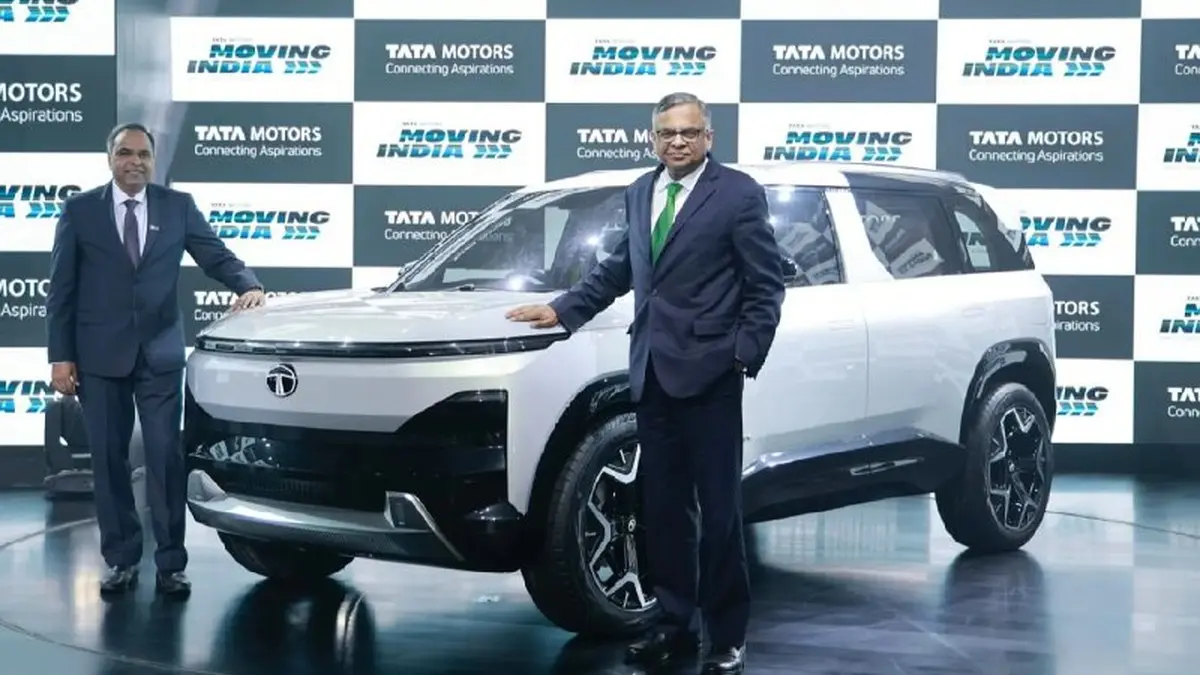
The upcoming Union Budget 2026 is generating buzz, and Tata Motors is making its voice heard. The auto giant is urging the government to consider specific support for entry-level electric vehicles (EVs), highlighting the affordability challenges these cars face in the current market. Let’s dive into what Tata Motors is requesting and what other industry experts are hoping for in the budget.
Boosting Entry-Level EV Sales: Targeted Fiscal Support Needed
Tata Motors Passenger Vehicles Managing Director and CEO Shailesh Chandra recently spoke with PTI, emphasizing the need for targeted fiscal incentives for entry-level EVs. He pointed out that while previous policy changes, such as GST reforms and repo rate cuts, have helped the broader passenger vehicle market, entry-level EVs are still struggling. The problem? Falling petrol car prices post-GST adjustments are making it tougher for EVs to compete. Chandra believes direct budget support is crucial to level the playing field, especially with rising commodity costs and currency volatility adding to the pressure.
Including Fleet EVs Under PM E-DRIVE for Greater Impact
Another key request from Tata Motors is the inclusion of electric vehicles used in the fleet segment under the PM E-DRIVE scheme. Chandra highlighted the significant impact of fleet vehicles, noting that while they represent only 7% of passenger vehicle sales, they account for a whopping 33-35% of passenger kilometers. This means fleet cars are driven much more frequently than private vehicles, offering a greater potential for emissions reduction, zero particulate matter, and reduced reliance on oil imports. These vehicles were previously covered under the FAME-2 scheme, but their exclusion from PM E-DRIVE is seen as a missed opportunity to further accelerate EV adoption.
Industry Expects More EV-Friendly Policies in Budget 2026
Beyond Tata Motors’ specific requests, the broader automotive industry has high hopes for Budget 2026. Many expect a recalibration of the EV Production-Linked Incentive (PLI) scheme. This could involve relaxing domestic value addition norms and lowering investment thresholds, making it easier for more manufacturers, including startups, to participate. Deloitte India’s Sheena Sareen anticipates enhanced R&D tax incentives and support for capital goods manufacturing to reduce reliance on battery and power electronics imports. She also suggests potential GST relief or depreciation benefits to improve EV affordability across the entire value chain. The ultimate goal is to boost domestic manufacturing, accelerate electrification, and support India’s clean energy goals.
Last Updated: 18 January 2026