
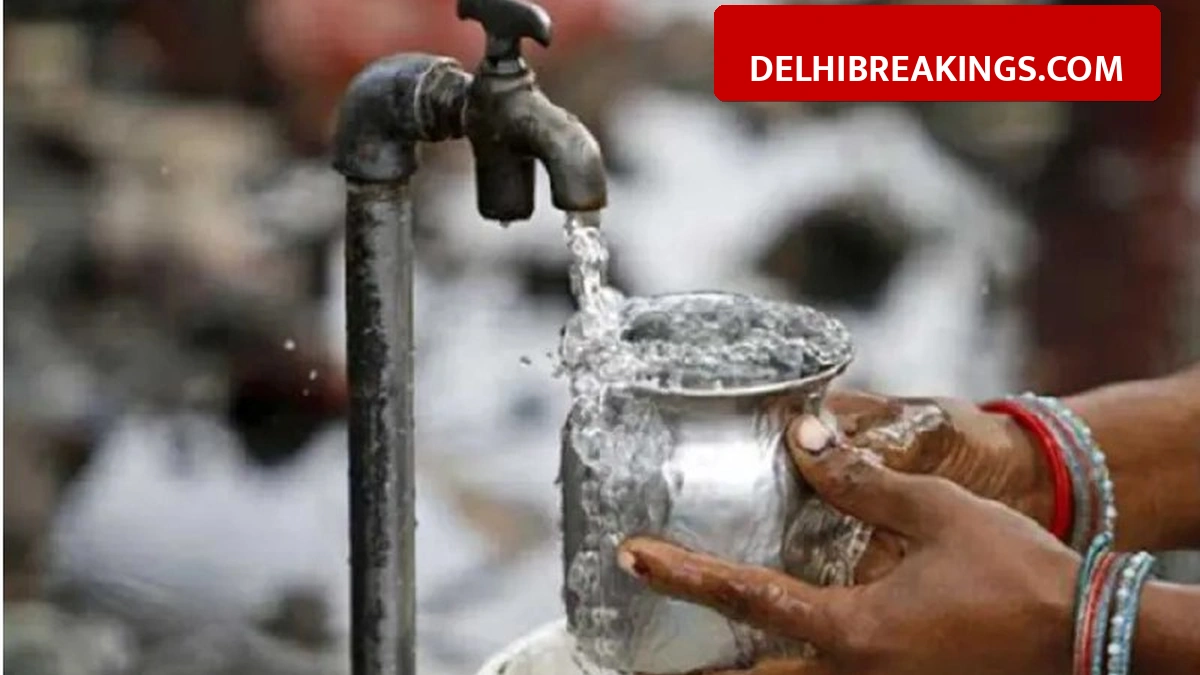
A severe water crisis has gripped large parts of Delhi as ammonia levels in the Yamuna River have spiked well above safety limits. On January 23, 2026, the concentration of ammonia was recorded at 5 ppm, which is significantly higher than the treatable limit of 1 ppm. This increase in pollution has forced the Delhi Jal Board to shut down major operations, impacting the water supply for lakhs of people.
Current Status of Water Plants
The high pollution load has made it impossible for the treatment plants to function normally. The Wazirabad plant has completely stopped production, while others are working at reduced capacity.
| Plant Name | Current Capacity |
|---|---|
| Wazirabad | Fully Shut Down |
| Haiderpur | 25% to 75% |
| Bawana | Reduced |
| Chandrawal | Reduced |
| Dwarka | Reduced |
Why Has Ammonia Increased?
The rise in ammonia is largely due to industrial waste released from Haryana and the lack of fresh water flow. The Munak Canal, which usually brings clean water to Delhi, is currently under repair. Without this fresh water to dilute the pollutants, the ammonia concentration in the river has reached dangerous levels.
Areas Facing Water Shortage
Nearly 30 percent of the city is feeling the impact of this disruption. The affected areas include North Delhi, West Delhi, and Northwest Delhi. Residents in these localities are facing low pressure or no water supply, and the situation is affecting around 22 lakh people.
When Will the Crisis End?
The water supply is expected to remain affected until February 4, 2026. Officials have stated that once the repairs on the Munak Canal are completed, fresh water will be released, which will help bring down the ammonia levels. Until then, the Delhi Jal Board has advised residents to use water carefully.