

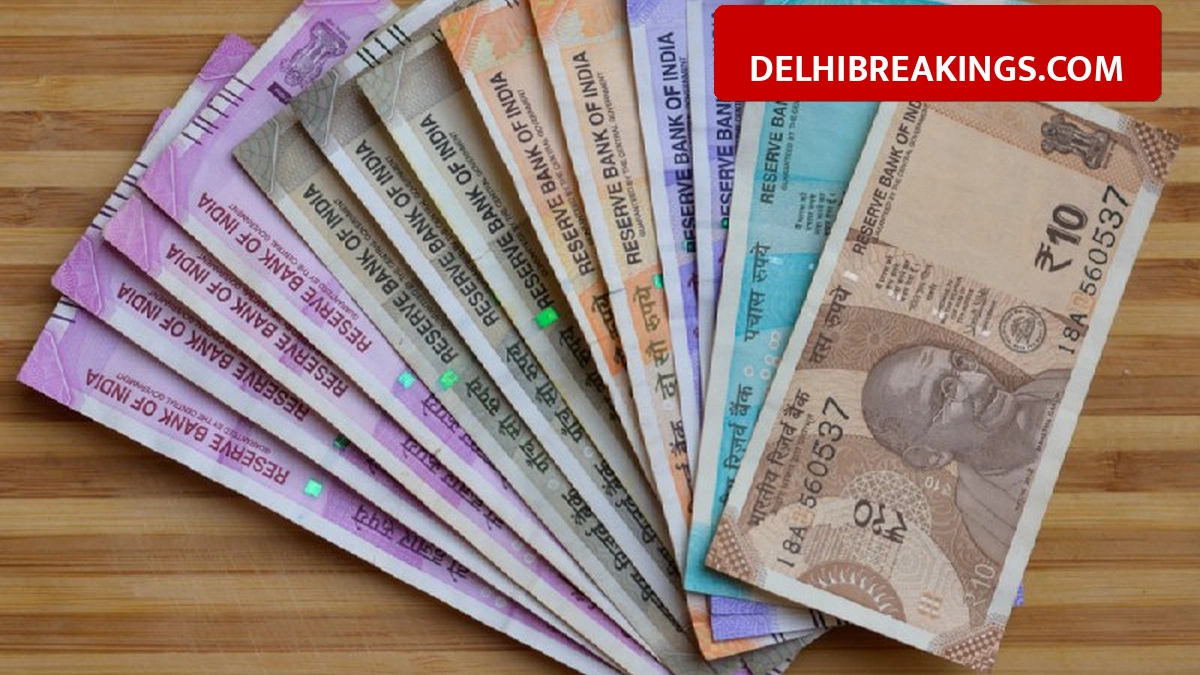
The Indian Rupee (INR) has witnessed a significant decline, touching fresh historic lows against the US Dollar in late January 2026. As of January 27, the currency is trading under pressure due to global geopolitical tensions and massive selling by foreign investors. This depreciation is impacting import costs but is seen as a temporary benefit for export-oriented sectors.
Current Currency Exchange Rates
The rupee breached psychological marks earlier this week. The latest trading figures are as follows:
| Currency Pair | Rate (INR) |
|---|---|
| USD to INR | 91.70 – 92.21 |
| AED to INR | 24.97 – 25.04 |
| KWD to INR | 300.60 – 300.82 |
Why is the Rupee Sliding?
Market experts point to several critical factors driving this downward trend:
- Heavy FII Selling: Foreign Institutional Investors have pulled out over ₹40,700 crore from Indian markets in January 2026 alone.
- Geopolitical Tensions: Threats of new tariffs between the US and European nations have created a “risk-off” sentiment globally.
- Safe Haven Demand: Investors are moving money into gold and silver, weakening emerging market currencies like the INR.
RBI Stance and Bond Yields
Reports suggest that the Reserve Bank of India (RBI) is tolerating some level of depreciation to manage domestic liquidity better. They are intervening only intermittently to stop extreme volatility. Meanwhile, Indian bond yields are rising due to fiscal strain, which is further discouraging foreign investment in the debt market.