
A safety incident occurred at Mumbai’s Chhatrapati Shivaji Maharaj International Airport on Tuesday night involving two major airlines. An IndiGo aircraft and an Air India plane made contact while moving on the ground, causing damage to their wings. Aviation authorities have taken serious note of the event. In a separate matter, Air India is also conducting checks on its Boeing 787 fleet following a technical report from a pilot.
What happened between the two planes in Mumbai?
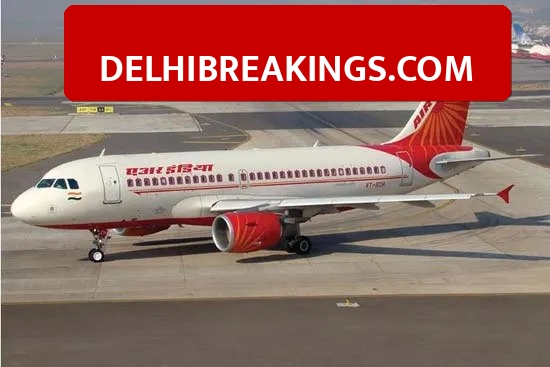
The collision took place on February 3, 2026, at approximately 10:15 PM. An Air India flight (AI 2732) bound for Coimbatore was stationary on the taxiway waiting for departure clearance. At the same time, an IndiGo flight (6E 791) arriving from Hyderabad was taxiing to its parking bay. During this movement, the wingtip of the IndiGo plane brushed against the wing of the Air India aircraft.
Both aircraft suffered damage to their wing edges and metal parts. The airlines immediately grounded the planes for structural repairs and safety checks. Passengers were safely deboarded and moved to alternative flights. The Directorate General of Civil Aviation (DGCA) has launched an investigation to see if there was a calculation error or communication gap in the ground clearance given to the pilots.
Details on the Boeing 787 Fleet Inspection
Air India has initiated a precautionary inspection of its 33 Boeing 787 Dreamliner aircraft. This decision follows an incident on February 1 involving a flight from London to Bengaluru. The pilot reported that a fuel control switch failed to lock in the ‘run’ position initially. The switch module was relatively new, having been installed in 2024.
Upon review, the DGCA clarified on February 4 that the switches were found to be satisfactory during physical inspection. The regulator noted that the issue likely occurred due to incorrect application of force by the crew rather than a mechanical failure. Air India is reinforcing operating procedures for its pilots while engineering teams continue to check the rest of the fleet to ensure complete safety.