
Residents and businesses in Delhi-NCR can breathe a sigh of relief as the Commission for Air Quality Management (CAQM) has immediately removed all restrictions under Stage III of the Graded Response Action Plan (GRAP). This decision comes as air quality improved significantly and weather conditions are becoming more favorable. The lifting of these curbs means a return to normalcy for several sectors affected by the pollution control measures.
What Changes With The Lifting of Restrictions?
The removal of GRAP Stage III restrictions allows private construction activities to resume. Brick kilns and hot mix plants, which were previously shut down, have also been permitted to operate again. This move is expected to provide a boost to the construction and related industries that faced disruptions due to the stringent pollution control measures. Additionally, the ban on BS III petrol and BS IV diesel vehicles has been lifted, and non-essential medium and heavy-duty diesel vehicles can now ply on the roads. Inter-state diesel buses are also allowed to enter Delhi, easing connectivity.
Why Were The Restrictions Lifted?
The CAQM made this decision based on a comprehensive review of the current air quality index (AQI) and meteorological forecasts. Delhi’s AQI, which was in the “very poor” category at 330 earlier in the week on Wednesday, showed significant improvement, registering 322 by Thursday evening. The sub-committee on GRAP observed the current improving trend in air quality and favorable weather predictions from the India Meteorological Department (IMD) and IITM Pune. These forecasts suggest that air quality in NCR is likely to remain in the ‘poor’ category or better in the coming days.
Continued Vigilance and Violations
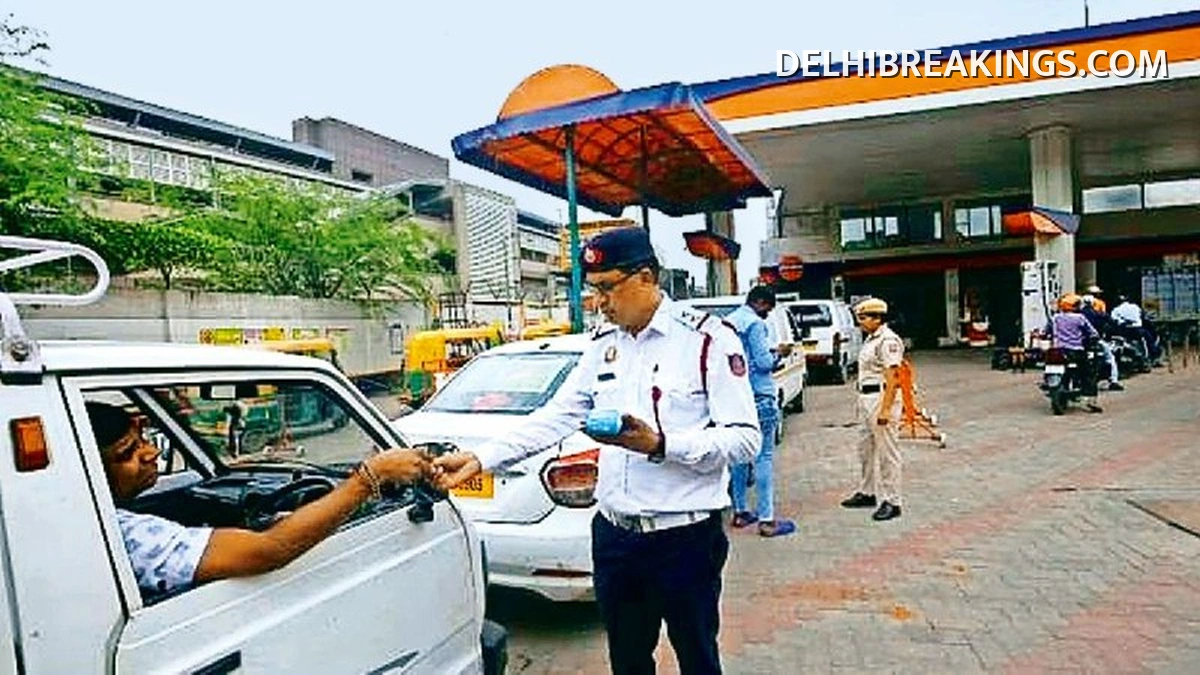
While Stage III restrictions are lifted, GRAP Stage I and II measures will remain in force across NCR to prevent a relapse in air quality. The CAQM’s Enforcement Task Force (ETF) has been actively monitoring compliance with pollution norms. Over 13 days, the ETF conducted 330 inspections, finding violations in 90 locations. Actions are being taken against these defaulters. From January 7 to January 19, a campaign was run, checking 241 factories and 22 diesel generators, among other locations, to ensure adherence to pollution control standards.