
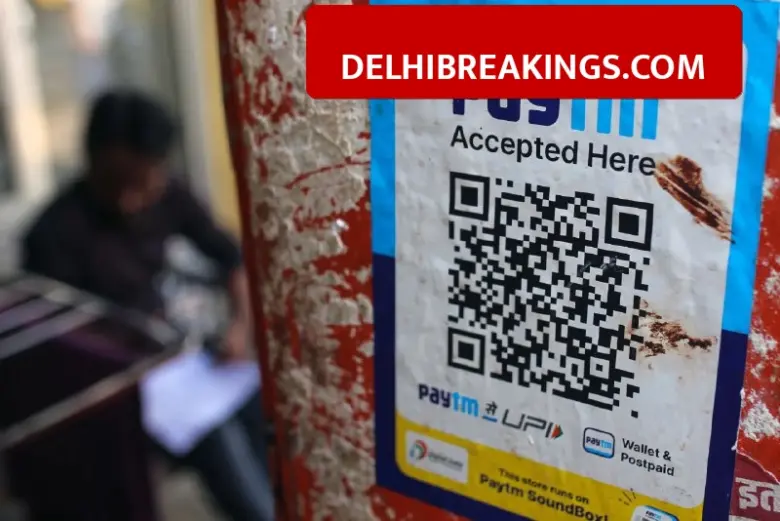
The Finance Ministry has taken a firm stand against the demands to levy charges on UPI transactions. Several banks and fintech firms had approached the government to introduce a fee structure, but the request was turned down. The government has reiterated that digital payments must remain cost-free for common consumers and small traders across the country. This decision ensures that people can continue using UPI for their daily needs without worrying about extra costs.
🚨: Air India Reports Frequent Faults in 75% of Fleet, Government Shares Data in Lok Sabha।
Government Allocates ₹2,000 Crore Subsidy
To balance the cost for service providers, the government has announced financial support in the 2026-27 budget. A total of ₹2,000 crore has been allocated as a subsidy for UPI and RuPay debit card transactions. This amount is given to banks to cover the cost incurred under the Merchant Discount Rate (MDR) system. The government had previously increased this support to ₹2,196 crore, showing its commitment to sustaining the digital payment ecosystem without burdening the user.
Fintech Companies Proposal on Hold
Payment companies like PhonePe and Paytm had suggested charging a small fee from big merchants. The proposal was to charge 0.2% to 0.3% on businesses with a turnover of more than ₹10 crore. The companies argue that they spend around ₹2 per transaction on technology and security. They feel the government subsidy is not enough to cover these operational costs. Despite these concerns, the government has decided not to implement any such charges for now.
Huge Growth in Digital Transactions
The adoption of UPI in India has reached new heights. Data from January 2026 shows that millions of people are using this service every day. Since 86% of these transactions are for amounts less than ₹500, keeping it free is vital for small users.
- Total Transactions (Jan 2026): 2,170 crore
- Total Value: ₹28.33 lakh crore
- Daily Average: 70 crore transactions
- Daily Value: Over ₹91,000 crore