
The central government has officially notified the new Solid Waste Management (SWM) Rules, 2026. These new regulations will replace the decade-old 2016 framework and will come into effect across India starting April 1, 2026. Union Environment Minister Bhupender Yadav announced the changes, stating that waste must now be segregated at the source itself. The government aims to push for a circular economy and ensure scientific disposal of garbage to reduce the load on urban cities.
यह खबर भी पढ़िये: Delhi Govt suspends 4 Jal Board officials immediately, Minister Parvesh Verma finds dirty water supply during raid।
What are the 4 categories for waste segregation?
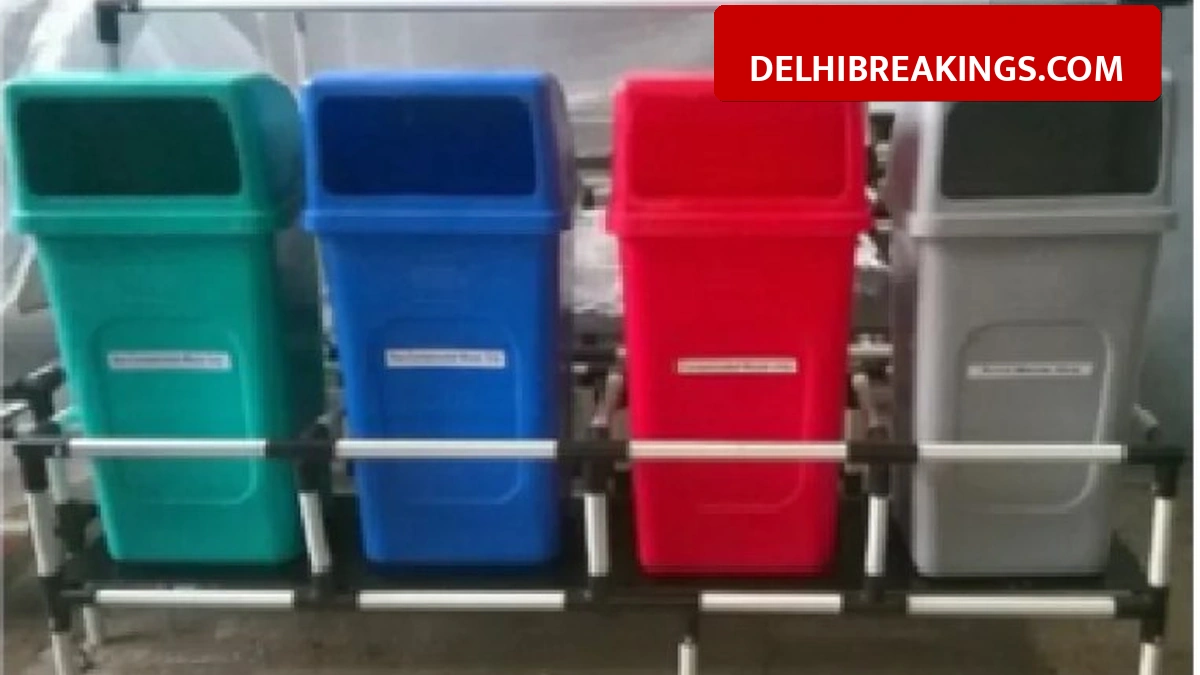
Previously, people were asked to separate waste into just wet and dry bins. However, under the new 2026 rules, every household and commercial establishment must sort their garbage into four distinct streams before handing it over to collectors. This is mandatory to ensure proper recycling and safety.
- Wet Waste: This includes kitchen scraps, vegetable and fruit peels, leftover food, meat, flowers, and leaves.
- Dry Waste: Items like plastic, paper, metal, glass, wood, and rubber materials fall into this category.
- Sanitary Waste: Used diapers, sanitary napkins, tissues, and tampons must be wrapped securely before disposal.
- Special Care Waste: Hazardous household items like paint cans, bulbs, mercury thermometers, batteries, and expired medicines.
Strict rules for societies and penalties for violations
The government has placed specific responsibilities on “Bulk Waste Generators.” This includes any entity with a built-up area of 20,000 square meters, daily water consumption of 40,000 liters, or those producing over 100 kg of waste per day. Large residential societies, malls, hotels, and government offices fall under this list. They must manage their own waste processing or ensure it is sent to registered facilities.
Authorities have introduced strict penalties based on the “polluter pays” principle. Under the related Solid Waste Management Bill 2025, violations can lead to fines of up to Rs 20,000 or imprisonment for up to three months. A centralised online portal will also track waste collection and transport in real-time to prevent illegal dumping.