

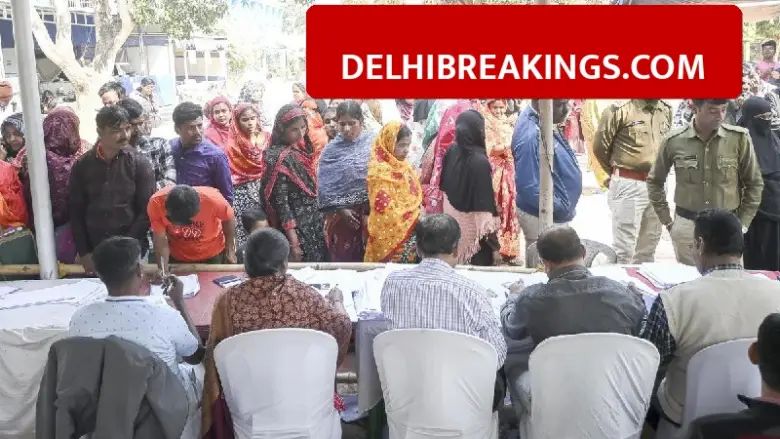
People raised in state-run orphanages are currently facing significant difficulties with the new Special Intensive Revision (SIR) of electoral rolls. These individuals, often referred to as Care-Leavers, are receiving hearing notices from election officials because they cannot fulfill the requirement of “parent mapping.” The Election Commission of India (ECI) is conducting this revision to update the voter list by linking every voter to their lineage, using the 2002 electoral roll as a primary reference point.
🗞️: Surajkund Mela Swing Accident: Cop dies saving people, 12 injured as ride collapses in Faridabad।
Why is Parent Mapping causing issues for many?
The SIR process requires voters to connect themselves to a father, mother, or relative listed in the 2002 or 2003 electoral rolls. If a voter cannot be linked to a past record, they are marked as “unmapped” and must attend a physical hearing. Care-Leavers usually do not have documents proving who their biological parents were, making this step impossible for them.
Because of this lack of lineage proof, many are getting flagged by the system and have to visit offices for verification. The Chief Electoral Officer of West Bengal has asked for a one-week extension for the deadline, moving the expected final publication to around February 14, 2026. This request comes as approximately 5% of these hearings are still pending in the state.
What are the rules for those without family documents?
ECI officials have stated orally that the name of the orphanage or a guardian can be entered in the parent column for orphans. Similarly, members of the transgender community are permitted to use the name of a “Guru Ma” or guardian. However, field officers often do not have these specific rules in writing, which is causing confusion on the ground.
Voters in the “unmapped” category are required to produce one of 12 authorized documents during hearings. These documents include items like:
- Birth Certificate
- Indian Passport
- Madhyamik Admit Card
- Aadhaar Card (subject to verification)
Without formal written guidelines for field officers, many eligible voters in care homes are struggling to complete the process smoothly.
